Score |
430


Emilia's Pen

 Accountant @ Jomas Shelters Limited
Accountant @ Jomas Shelters Limited



THE ROUND TABLE - Episode Three: Is Being Brutally Honest Always the Right Thing to Do?

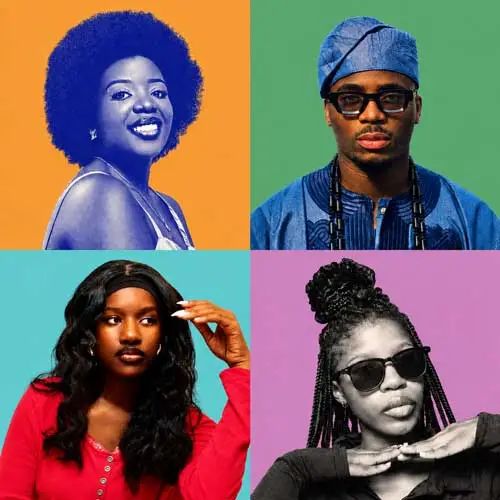
<p><br/></p><p><strong>THE ROUND TABLE</strong></p><p><strong>Episode Three</strong></p><p style="text-align: center; "><strong>Is Being Brutally Honest Always the Right Thing to Do?</strong></p><p>What does it mean to be honest with someone?</p><p>Is it telling them exactly what you think?</p><p>Is it telling them the truth even when you know it will hurt?</p><p>Is there ever a good reason to leave something unsaid?</p><p>Or does calling yourself “brutally honest” sometimes just give you an excuse to be cruel?</p><p>We're often told that honesty is one of the most important parts of any relationship. We admire people who tell us the truth, even when we don't want to hear it. We say we would rather know the truth than be lied to.</p><p>But the truth isn't always easy to hear.</p><p>Sometimes it can help someone grow. Sometimes it can protect them. And sometimes, it can hurt someone without actually doing any good.</p><p>So where exactly do we draw the line?</p><p style="text-align: left;">For the third edition of The Round Table, we asked three people to consider one question:</p><p style="text-align: center; "><strong><em>Is being brutally honest always the right thing to do?</em></strong></p><p><img alt="" src="/media/inline_insight_image/ChatGPT_Image_Sep_10_2026_10_36_33_AM.png"/></p><p><strong>Question One</strong></p><p><strong>Have you ever told someone a difficult truth that you knew would hurt them? How did you decide they needed to hear it?</strong></p><p><strong>Esther Lawrence</strong></p><p>“<em>For me, loving someone from the bottom of my heart means I never want to hurt them. But caring enough also means there are certain moments when bitter truths need to be told and heard.</em></p><p><em>Why do I say this? Because I've been there, multiple times. Having ‘the talk’ with that friend who keeps trying for a guy who obviously doesn't want anything long-term, Speaking up about uncomfortable habits from that friend YOU KNOW was just trying to express care in the way they know how, or Having hygiene talks with that roommate who's actually always so sweet and cheerful.</em></p><p><em>None of these truths were easy to tell, because nobody wants to hear an uncomfortable truth about themselves (I wouldn't, too). It doesn't immediately end well every time, but if the right approach is taken, they'll actually see reason and be thankful at the end of the day</em>.”</p><p><strong>Femzy</strong></p><p>“<em>Oh yes, I have 😭. It was a close friend of mine who was honestly both really insensitive and had the emotional intelligence of a monkey. I had tolerated it for quite a while, and at some point I just felt like I needed to tell her how I actually felt about the way she treated people.</em></p><p><em>I actually did it over text because she was far away, but also… I can't lie, part of me was relieved that I didn't have to see the sad look on her face 😭. Some people might call that cowardly, but I genuinely feel really bad when I see people sad, especially when I know I'm the reason they're sad.</em></p><p><em>But I knew she needed to hear it because I'd tolerated it for long enough, and I felt like if nobody told her, she might never realise that her behaviour was affecting people. And honestly, afterwards I felt like it was the right thing to do because I started noticing changes in her behaviour. So even though it was uncomfortable and I knew it would hurt her, I think it was necessary.</em>”</p><p><strong>Maq</strong></p><p>“I<em>'ve definitely told some difficult truths to people when I felt they really needed to hear it.</em></p><p><em>I remember telling my best friend that I hated her boyfriend. I know their relationship was none of my business per se, but she was (is) my best friend, and I cringed every time she even talked about the boy 😂</em></p><p><em>There were a lot of things I didn’t like about how he treated her. He got angry very easily and could be very manipulative, and whenever he did something that upset her and she finally found the courage to speak up, he’d start crying and telling her he couldn’t live without her and all that stuff. And somehow, she’d eventually let it go.</em></p><p><em>I’d listened to her complain about him so many times, and I think I’d reached a point where I couldn’t just keep saying “sorry” when I knew I should have been more honest with her. And I felt like if things got worse, or something happened to her, I’d definitely blame myself for not even trying to talk to her about it.</em></p><p><em>So I eventually told her how I felt. I told her I hated how he treated her, that I thought the relationship was toxic, and that I didn’t understand why she kept accepting certain things.</em></p><p><em>And she told me I didn’t know anything about him or, in Disney princess terms, “but Daddy, I love him” 😭</em></p><p><em>Which, to be fair, I didn’t know everything about him. But I knew what she was telling me, and I knew how she felt after some of the things he did.</em></p><p><em>I wasn’t trying to tell her who to date or upset her for loving him. I just felt like, sometimes, when you care about someone, you have to be honest with them, even when you know they might not want to hear it.</em>”</p><p style="text-align: center; ">~.~</p><p>I think what stands out here is that none of them are really talking about honesty as simply saying whatever comes to mind.</p><p>For Esther, it comes from caring enough to have uncomfortable conversations.</p><p>For Femzy, it was about finally addressing something he'd tolerated for a long time, and he was able to see that the conversation actually made a difference.</p><p>And for Maq, it was about being able to tell someone they were wrong even when they were already hurting.</p><p>I think that's an important distinction.</p><p>Sometimes the truth hurts because it is necessary.</p><p>But then, there are other truths that may not actually need to be said.</p><p>Which brings us to the next question.</p><p><br/></p><p><strong>Question Two</strong></p><p><strong>Do you believe there are situations where a “white lie” is better than the truth? If yes, why?</strong></p><p><strong>Esther Lawrence</strong></p><p>“<em>Hmmm ..</em></p><p><em>I think the intent, timing, and defining what's being protected are very significant factors in this case.</em></p><p><em>If saying the truth will do the other party more harm than good and can be completely avoided for the time being, then maybe be there for them without having to make them believe what's not true.</em></p><p><em>Okay, let me put it this way-</em></p><p><em>Are we really protecting them? Or are we protecting ourselves from that uncomfortable conversation with no guarantee of ending well?</em></p><p><em>If there's one thing I've learnt over time, it's that one simple lie can become compound in the blink of an eye, and it can be rather difficult to come back from. You might really really want the best for them, but it won't matter if trust is broken.</em></p><p><em>And yes, I agree that the whole truth must not always come at once. It could come one step at a time.</em></p><p><em>White lies may have their place (‘I'm fine’ when all is indeed not fine. ‘Don't worry’ while you pray that they insist.). But in this case I believe the truth would always be the best option, with the right timing and approach.</em>”</p><p><strong>Femzy</strong></p><p>“<em>Yeah, I definitely think there are situations where a white lie is better than the truth. Sometimes the truth causes more problems than solutions, so you just have to weigh what's really important: the truth or the peace.</em></p><p><em>I also think the intention always matters, even when you're telling the truth. Some people tell the truth with the specific purpose of causing disruption or hurting somebody, and I don't think that's any better just because what they said was technically true.</em></p><p><em>As for whether protecting someone's feelings is enough of a reason not to tell them the truth, I'd say it depends on the situation. If it's something really important or potentially life-threatening, then obviously no. You have to tell them. And if it's something they're doing consistently and it's affecting you or other people to the point where you can't tolerate it anymore, then I think they deserve to know too.</em></p><p><em>But anything less serious than that? I'd probably say it's okay to tell a white lie depending on the circumstances. I don't think every single truth needs to be said just because it's the truth. Sometimes you're not hiding something important; you're just choosing not to hurt someone unnecessarily. And I don't really see a problem with that.</em>”</p><p><strong>Maq</strong></p><p>“<em>Oh definitely, I think there are situations where telling a white lie is so much better. I think sometimes people act like if you don't tell the complete truth all the time, you're a dishonest person. But there is obviously a difference between lying to deceive someone and choosing not to say something that would serve absolutely no purpose except making them feel bad.</em></p><p><em>If you're going through something, or something is going through you, and someone asks how you are, and you say you're fine, that's a white lie. Maybe you don't want to bother them with your problems. Maybe you're not ready to talk about it. Maybe they're just not the kind of person you feel comfortable telling your problems to. Isn't it better to say I'm fine than some of the other things?</em></p><p><em>Or if someone cooks for you and you hate the food, are you going to tell them that you hate it after they've spent hours cooking for you? Just say thank you and appreciate their efforts and move on.</em></p><p><em>Or if someone asks you out and they're a normal person o, and you just don't want to date them, isn't it better to say you're not ready for a relationship than to tell them they're not your type or that they're ugly or laugh at their face or just start giving them a list of reasons why you don't like them? You can just reject someone without making them feel bad about themselves.</em></p><p><em>Not wanting to hurt someone's feelings is a very valid reason not to tell them the complete truth. Sometimes the ‘truth’ is just not necessary.</em></p><p><em>But yunno, if you're just lying to protect yourself after you've done something bad, or to avoid accountability, or to manipulate someone, that's something else. That's not the kind of white lie I'm talking about. If you're lying because you don't want to take responsibility for something you've done, or because you want to control someone, that's a different thing entirely.</em>”</p><p style="text-align: center; ">~.~</p><p>And here is where I think the answers become a little more divided.</p><p>Esther is more cautious about the idea of a white lie. She brings up the possibility that what we call “protecting someone's feelings” might sometimes just be us avoiding a difficult conversation.</p><p>Femzy and Maq, on the other hand, both make room for situations where the complete truth might not actually be necessary.</p><p>And I think Maq's distinction is particularly interesting.</p><p>There's a difference between lying to deceive someone and choosing not to say something that serves no purpose other than making them feel bad.</p><p>Not every truth carries the same weight.</p><p>Sometimes withholding something is avoidance.</p><p>Sometimes it's kindness.</p><p>And sometimes, it is simply knowing that another person doesn't need access to every thought you've ever had about them.</p><p>But perhaps the bigger problem isn't honesty itself.</p><p>It's what we do with it.</p><p><br/></p><p><strong>Question Three</strong></p><p><strong>Is being “brutally honest” actually honest, or can “brutal honesty” become an excuse for being insensitive?</strong></p><p><strong>Esther Lawrence</strong></p><p>“<em>No, please!</em></p><p><em>Seriously...</em></p><p><em>If people understood the power that words carry, then there'll be no reason and I repeat! No reason why a human being should be brutal about honesty.</em></p><p><em>Being “blunt” — when it's just another excuse people make for being harsh, is not a flex. It's dismissive, it's derogatory, it's uncultured...</em></p><p><em>And what use is your truth anyway, if it'll cause a lot of damage with no benefit whatsoever? It serves no purpose, so please! Just shhhh, instead.</em>”</p><p><strong>Femzy</strong></p><p>“I<em> think being brutally honest can absolutely become an excuse for being insensitive.</em></p><p><em>Because at the end of the day, being honest just means telling the truth. It doesn't mean you have to deliver the truth in the most painful way possible.</em></p><p><em>Sometimes people almost seem proud of being harsh. They'll say something unnecessarily mean and then go, ‘I'm just being honest.’ And I'm like… okay, but you could've said the exact same thing without trying to destroy the person😭</em></p><p><em>I think you're responsible for how you communicate something, especially when you know it's going to hurt someone.</em></p><p><em>When telling the truth or even speaking in general the delivery and tone is very important</em>”</p><p><strong>Maq</strong></p><p>“<em>I think it can definitely become an excuse for being insensitive.</em></p><p><em>I think a lot of people that say that they're ‘brutally honest’ are just looking for a way to say whatever they want without being held accountable for how it makes the other person feel.</em></p><p><em>I think there's a difference between being honest and being unnecessarily harsh. You can tell someone the truth without making them feel stupid, small, or terrible for having a problem and ultimately just regret coming to you in the first place. At the end of the day we don't know what the other person is going through.</em></p><p><em>I also think there's a difference between saying something because someone genuinely needs to hear it and saying it because you enjoy being the person who gets to ‘tell it like it is.’</em></p><p><em>You can be honest and still be kind. You can tell someone something difficult while still thinking about how they're going to take it.</em></p><p><em>And I think a lot of people who take the brutal approach don't really like you. Because if you love someone or care about them or even just respect them enough, you would be more mindful about the things that come out of your mouth. You would care about how they'd take what you have to say. If I can say something honestly without making someone feel worse than they already do, why wouldn't I?</em>”</p><p style="text-align: center; ">~.~</p><p>I think this is probably the easiest part of the conversation to agree on.</p><p>There is a difference between being honest and being harsh.</p><p>You can tell someone something they need to hear without making them feel small for needing to hear it in the first place.</p><p>And I think that's where the phrase “I'm just being honest” becomes interesting.</p><p>Because sometimes, it really does mean “I'm telling you something difficult because I care about you.”</p><p>But sometimes it means “I wanted to say something hurtful, and now I don't want to be held responsible for how it made you feel.”</p><p>The truth doesn't need cruelty to make it true.</p><p>And being kind doesn't make you dishonest.</p><p style="text-align: center; ">~.~</p><p><strong>Leaving the Table</strong></p><p>Maybe honesty isn't about saying everything.</p><p>Maybe it's about knowing what needs to be said, what can wait, and what doesn't need to be said at all.</p><p>Sometimes the truth is necessary, even when it hurts.</p><p>Sometimes a white lie protects someone's feelings without causing any real harm.</p><p>And sometimes, “brutal honesty” is just honesty that forgot to be kind.</p><p>I think what matters most is the intention behind our words.</p><p>Are we saying this because someone genuinely needs to hear it?</p><p>Are we saying it because it might help them?</p><p>Or are we simply looking for permission to say something we've wanted to say?</p><p>Because at the end of the day, we are responsible not only for what we say, but also for how we choose to say it.</p><p>You can tell someone the truth and still care about how it lands.</p><p>And maybe that's the kind of honesty worth practising.</p><p style="text-align: center; ">~.~</p><p><strong>Your TwoCents</strong></p><p>Now it's your turn.</p><p>Have you ever been told a difficult truth that you were grateful to hear eventually?</p><p>Do you believe white lies can sometimes be kinder than the truth?</p><p>And where do you draw the line between honesty and cruelty?</p><p>Is being brutally honest always the right thing to do?</p><p style="text-align: left;">Pull up a chair. The Round Table is open.</p><p style="text-align: center; "><br/></p><p style="text-align: center; "><strong style="background-color: transparent;">Special thanks to this week's participants ♡˖꒰ᵕ༚ᵕ⑅꒱:</strong><br/></p><ul><li><span style="background-color: transparent;">Esther lawrence</span></li><li><span style="background-color: transparent;">Maq </span></li><li><span style="background-color: transparent;">Femzywrotethis</span></li></ul><p></p><p><br/></p><p><br/></p><p><br/></p><p><br/></p><p><br/></p><p><br/></p>


 144
144






More in this series
More insights from Emilia's Pen










Contributor Points

Points-to-Coupons

Referral Earning
Insights for you.


Gen Z, Are We.... Hungry?
If aliens were to read our texts, they'd think Gen Z are in a perpetual state of starva...
626 views
62 upvotes
71 comments



The Gender War.
I was doomscrolling yesterday.I hardly do that, but for some reason, I chose that and s...
239 views
55 upvotes
68 comments


In Her Likeness.
I hail from the southwestern part of Nigeria, and oftentimes, when I walk through the n...
196 views
49 upvotes
56 comments

The Yahoo Culture.
Let's talk about the Yahoo CultureSomething that is gradually becoming a norm.And every...
215 views
50 upvotes
61 comments


Dear Dad
Dear dad,It's been 7 years, 3 months and 1 day and your name still echoes in my brain.W...
317 views
49 upvotes
44 comments


HE IS EVERYWHERE
Yes, He is everywhere I have gone to a place where needles are used to pound yam. I saw...
120 views
42 upvotes
45 comments

Curiosity or Clout?
Omooo I have a bad habit. 😭Whenever something starts trending in Nigeria, I click on it...
258 views
36 upvotes
49 comments