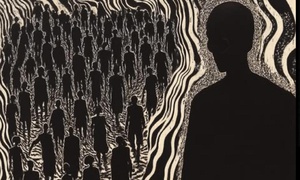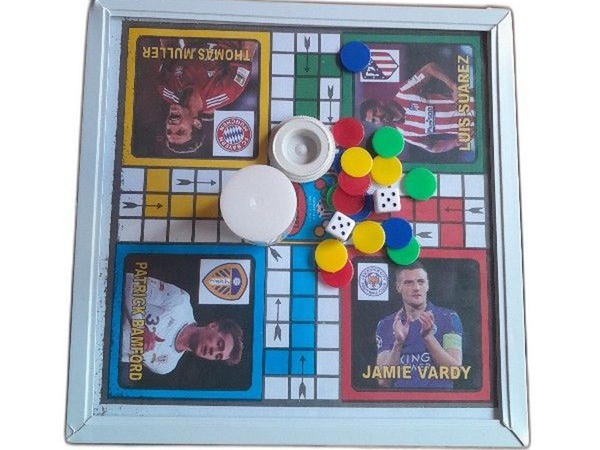
In the days when the moon was the village clock and the cock was the alarm, there lived in a small village beside the great forest an old man called Ogbuefi Nwafor.
Nobody knew exactly how old he was.
Some said he was as old as the oldest iroko tree.
Others said he had been born before the village had learnt how to count its seasons.
Ogbuefi only laughed whenever they asked.
“Age no be wetin you count,” he would say. “Na wetin life don teach you.”
He had seen men become kings and kings become ordinary men.
He had watched rich farmers lose everything to fire.
He had watched poor men become fathers of wealthy children.
He had watched friends become enemies over land, women, palm wine and things that seemed important when they were young.
But there was one thing he particularly enjoyed watching.
Young men playing Ludo.
Nobody understood why.
The game had arrived in the village many seasons earlier through a trader who came from the distant city.
Four colours.
Four houses.
One road.
One dice.
And too many arguments.
The villagers had given the game a name in their own tongue, but the young men simply called it Ludo.
Every evening, they gathered beneath the giant iroko tree to play.
And every evening, somebody left angry.
Sometimes, somebody left almost in tears.
Sometimes, somebody accused somebody else of cheating.
And once, two brothers nearly fought because one of them had cut the other's last piece.
Ogbuefi Nwafor would sit nearby, watching.
He rarely spoke.
Until one evening.
That evening, two young men were playing.
Obinna was confident.
Too confident.
He had been winning since sunset.
His pieces had travelled far across the board while his opponent, Eze, was struggling to bring his own pieces out.
“Eze,” Obinna laughed, “you sure say you know this game?”
The boys around them laughed.
Eze smiled.
“Play your game.”
Obinna shook the dice in his palm.
“Tonight, na my night.”
He threw.
Six.
The boys shouted.
Obinna moved his piece.
He threw again.
Six.
The laughter grew louder.
“Look am!” Obinna shouted. “Who fit stop me?”
Ogbuefi Nwafor looked up from where he was sitting.
“Obinna.”
“Yes, Ogbuefi?”
“Stop celebrating.”
The boys laughed.
Obinna laughed louder.
“Why?”
The old man looked at the board.
“Because the road has not finished speaking.”
Obinna shrugged.
“Old man, na game.”
Ogbuefi smiled.
“Yes.
That is why it is dangerous.”
The young men became quiet.
Obinna continued.
He moved another piece.
Then another.
His final piece was getting closer to home.
Eze had almost nothing left.
Obinna stood up.
“I don win.”
Eze looked at him.
“You never win.”
“Ah!”
Obinna laughed.
“See this one!”
He picked up the dice.
“Watch.”
He threw.
One.
The boys laughed.
Obinna threw again.
Two.
“Chai!”
He shook his head.
He moved.
Then Eze picked up the dice.
He threw.
Six.
Silence.
He threw again.
Six.
The boys leaned forward.
Again.
Six.
Somebody whispered:
“Ewo!”
Eze moved his piece.
And then...
He landed directly on Obinna's biggest piece.
CUT.
The little piece was lifted from the board.
Obinna froze.
The laughter disappeared.
His piece had travelled almost the entire journey.
Now it was back home.
At the beginning.
Obinna stared at Eze.
“You cut me?”
Eze looked at him.
“Na the game.”
Obinna stood up.
“You dey laugh?”
“I no laugh.”
“You dey happy?”
Eze paused.
“Small.”
The boys burst into laughter.
Obinna reached for the board.
Ogbuefi Nwafor stood.
“Leave it.”
Obinna turned.
“Ogbuefi, he has destroyed everything I have done!”
The old man looked at him carefully.
“No.”
He pointed at the little piece.
“He destroyed your position.”
Obinna frowned.
“What is the difference?”
The old man walked slowly toward the board.
“Your position is not your life.”
He picked up the piece.
“This was near the end.”
He returned it to the beginning.
“Now it is here.”
He looked at Obinna.
“Is it dead?”
Obinna said nothing.
“Can it move?”
“Yes.”
“Can it still reach home?”
“Yes.”
“Then why are you behaving like the ancestors have buried you?”
Nobody laughed.
The old man sat down.
“Listen.”
The fire beside them crackled.
The forest was dark.
The moon hung above the iroko like an old man's eye.
“Life is this game.”
He pointed at the dice.
“And this…”
He lifted it.
“…is the part of life that nobody controls.”
He dropped it onto his palm.
“Sometimes you throw six.”
“Sometimes you throw one.”
“Sometimes you work hard and things move.”
“Sometimes you do everything right and somebody else throws one number that changes your story.”
He looked at Obinna.
“That is why you must never become too proud when you are ahead.”
Then he looked at Eze.
“And never become too hopeless when you are behind.”
Eze lowered his eyes.
Ogbuefi continued.
“Young men think life is about winning.”
He shook his head.
“Life is about remaining in the game.”
The boys listened.
“You will lose money.”
“You will lose people.”
“You will lose opportunities.”
“Sometimes, you will lose yourself.”
He paused.
“And one morning, you will wake up and discover that the piece you spent ten years building has been sent back to the beginning.”
Obinna swallowed.
“But you will still have one thing.”
He pointed at the board.
“Another throw.”
The wind moved through the leaves.
Then Ogbuefi said something that made everybody quiet.
“Do you know the most dangerous thing about Ludo?”
Nobody answered.
“It is not when somebody cuts you.”
He looked at Obinna.
“It is when you begin to believe that because you are ahead, nobody can cut you.”
He looked at Eze.
“And it is not when you are behind.”
He smiled.
“It is when you decide to stop playing because you are ashamed of where you are.”
The old man leaned closer.
“Sometimes, na pride dey kill person.”
He pointed at Obinna.
“Because he is winning, he thinks he is better.”
Then he pointed at Eze.
“Sometimes, na shame dey kill person.”
He lowered his voice.
“Because he is losing, he thinks he is finished.”
The boys were completely silent now.
Ogbuefi picked up the dice.
“Neither is true.”
He placed it between them.
“The dice does not know your name.”
“It does not know whether you are rich or poor.”
“It does not care whether you are the chief's son or the farmer's child.”
“It falls.”
“You respond.”
“That is all.”
Obinna looked at his piece.
Then at Eze.
“Eze.”
“Yes?”
“Play.”
Eze smiled.
“You still want to play?”
Obinna nodded.
“Abeg, make we continue.”
The boys laughed.
And they began again.
Six.
Three.
One.
Five.
Six.
The game continued deep into the night.
But something had changed.
Obinna no longer laughed when he was ahead.
Eze no longer complained when he was behind.
And every time somebody's piece was cut, nobody shouted.
They simply watched the player pick it up...
...return it home...
...and begin again.
Perhaps that was the lesson Ogbuefi had been trying to teach them.
Not how to win Ludo.
But how to survive life.
Because life will not always give you the number you want.
Sometimes, you will pray for six and receive one.
Sometimes, you will prepare for victory and meet disappointment.
Sometimes, after walking a very long road, somebody or something will send you back to the beginning.
And when that happens, you will have two choices.
You can sit beside the board and curse the dice.
Or you can pick up your piece.
Place it back on the road.
And play.
Because starting again is not the same thing as starting from nothing.
You are carrying everything the first journey taught you.
The scars.
The wisdom.
The mistakes.
The people you met.
The lessons you paid for.
The strength you did not know you had.
So when life throws the dice...
Don't ask only:
Why did I get this number?”
Ask:
“What can I do with it?”
Because the dice may decide the number.
But it does not decide the player.
And sometimes...
the person you thought had lost the game is simply the person whose winning throw has not arrived yet.
As Ogbuefi Nwafor would always say:
“My child, no curse in life is greater than believing say your journey don finish when you still dey breathe.”
And under that ancient iroko tree, the boys learnt what many men spend a lifetime trying to understand:
You do not need to control the dice to control your next move.
Keep playing.


 121