"Stop to dey smoke igbo, dey chop na why you lean like that."
"U dey fra".
"So make I use my Igbo money chop?"
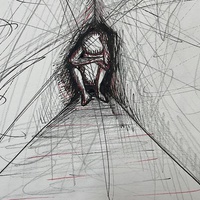
"Wetin go come do my mental health?"
"You think say I dey smoke igbo for fun?"
"I just dey advice you o."
"Una dey talk o."
"Una like to dey give stupid advice."
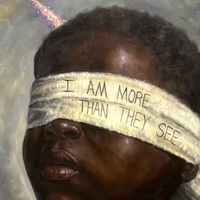
People often disguise judgement as concern and the receiver is expected to appreciate regardless of how it makes them feel.
People approach mental health with that same attitude.
You see someone struggling you're quick to prescribe a solution.
Eat.
Pray.
Stop smoking.
Stop thinking to much.
But come to think of it offering advice doesn't mean you've helped someone.
"Speaking up should be an invitation, not an obligation".
Nobody owes you their vulnerability.
People are often encouraged to speak up about their mental health so other's can feel less alone, learn, recognize experiences.
But what happens when those experiences reach the same people who are quick to judge.
Quick to offer unsolicited advice.
Quick to make assumptions.
Quick to interfere.
Quick to ridicule.
Does public disclosure produce understanding.
Not quite.
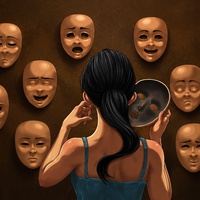
You could share your story and receive compassion from one, ridicule from another, unwanted advice from another.
We can encourage people to share their stories but sharing a story doesn't guarantee that the audience will respond with understanding.
A story can travel far beyond its intended audience reaching people who lack the context to understand it or who have no interest in understanding it.
Who gets to decide what happens to a story after it has been shared?
A person who shared their story last year might want privacy this year.
People should be able to speak without surrendering ownership of their experiences.
Public disclosure can create real change sure.
The problem isn't necessarily that people speak.
It's that we celebrate their willingness to speak without considering what happens after they do.
Public disclosure can attract unwanted exposure and lasting consequences.
As much as we want people to come forward and speak out.
What happens when we make the people who came out to share their experiences wish they hadn't?
What happens when the person who shared their story no longer wants to be associated by it?
Do we allow them move on?
People change.
Their circumstances change.
They grow and move into another phase of their life.
They might still acknowledge what happened to them.
But that doesn't mean they want their past experiences to be the first thing they're associated with.
Should the possibility of being misunderstood, judged, or exposed mean that people should keep their struggles private?
Still i don't think so.
Because that would only allow perpetuators dictate what people are able to say.


 160