Score |
74


Thatdarkwriter

 Fashion model/crochet artist @ Lagos State University
Fashion model/crochet artist @ Lagos State University



We want your truth, not the consequences
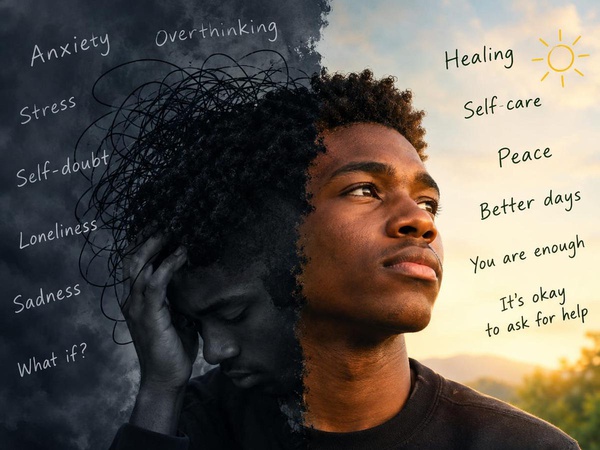
<p>Apparently, we are living in a time where everybody wants to be seen, heard, and healed in public.</p><p>We have learned the language of trauma. We know about triggers, boundaries, emotional availability, attachment styles, and protecting our peace. We have learned to name experiences our parents could barely talk about. We have also realised that the things we were taught to suffer through quietly often have names, patterns, and consequences.<br/></p><p>This is progress. I will not pretend it is not.<br/></p><p>But somewhere between learning the language of healing and turning it into internet language, we picked up an interesting habit. We want people to tell the truth about their pain. We want them to be vulnerable. We want them to break family cycles, challenge stigma, inspire strangers, and remind the world that mental illness is not a moral failure.<br/></p><p>We want the story.<br/></p><p>We want the tears, the big reveal, the breakthrough, and the beautiful caption about choosing yourself. We want the person who was once broken to come back with the right words for their pain and a neat little lesson for everyone else.<br/></p><p>But what happens when the person telling the story is no longer inspirational?<br/></p><p>What happens when recovery is ugly, progress is slow, the symptoms come back, and the person who taught thousands of strangers to choose themselves can barely get out of bed?<br/></p><p>Do we still want their truth, or do we only like suffering when it comes with a satisfying ending?<br/></p><p>I support people sharing their mental health stories. I believe these stories can change lives. But I am becoming suspicious of a society that celebrates vulnerability without asking why it wants so much of it.<br/></p><p>There is a difference between giving people space to speak and making them feel like they have to speak to deserve a place in the room.<br/></p><p>And we need to talk about that difference.<br/></p><p>The world has always had a problem with people who struggle. Now, it wants them to “document it”.<br/></p><p>“Pray harder”<br/></p><p>“Think positively”<br/></p><p>“You’re being dramatic”<br/></p><p>“Count your blessings,people have it worse”<br/></p><p>We have watched people suffer in silence because the alternative was becoming the subject of family gossip, workplace suspicion, religious judgement, or unwanted advice from people who had never experienced what they were explaining.<br/></p><p>Then social media arrived, and people started telling their own stories.<br/></p><p>Suddenly, the person who had been called lazy could explain what depression felt like. The person who had been called difficult could describe what anxiety was doing to their daily life. The person who had spent years thinking they were broken could find a whole community of people who understood them.<br/></p><p>There is something powerful about discovering that the experience you thought made you strange is something other people recognise.<br/></p><p>Sometimes, another person’s honesty gives you permission to stop hating yourself for something you did not know how to explain. Sometimes, seeing someone who looks like you, comes from a family like yours, or lives in a community like yours speak openly about mental illness makes getting help feel less strange. Sometimes, the first person who makes you feel understood is a stranger on the internet.<br/></p><p>We should not underestimate that.<br/></p><p>For someone who has never heard their experience described without being mocked, one honest story can do more than a hundred awareness posters. Representation is not just about seeing people who look like us. It is also about seeing our experiences treated as real, our struggles treated as human, and our need for help treated as valid.<br/></p><p>And in communities where mental health is still dismissed, misunderstood, or explained only through religion and morality, these stories can challenge beliefs that have gone unquestioned for generations.<br/></p><p>That is real change.<br/></p><p>But being able to tell a story does not mean you are responsible for telling it.<br/></p><p>Because the moment we treat public disclosure as the highest form of advocacy, we have simply found a more modern way to pressure people into giving up their privacy.<br/></p><p>Yesterday, people were expected to suffer quietly. Today, they are expected to suffer openly.<br/></p><p>Apparently, silence is suspicious, but vulnerability is only accepted when it is convenient. We want people to speak until what they say challenges our beliefs, makes us uncomfortable, or requires us to do more than leave a sympathetic comment.<br/></p><p>We want honesty, as long as it comes in a form we can handle.<br/></p><p>And social media has made this contradiction profitable.<br/></p><p>A painful story can spread across the internet in a few hours. A stranger can post about their worst moment and wake up to thousands of comments from people who feel connected to them. Some people will offer real kindness. Others will give advice nobody asked for. Some will turn the story into an argument. Some will screenshot it, repost it, mock it, or save it for the day they need to use it against that person.<br/></p><p>The internet can make someone feel less alone while also making them more exposed than ever.<br/></p><p>And for what?<br/></p><p>A few thousand likes? A trending hashtag? The satisfaction of moving an audience that will probably scroll past someone else’s pain five minutes later?<br/></p><p>Visibility has become such an easy replacement for responsibility that we sometimes forget to ask what happens after everyone has seen the post.<br/></p><p>A post can make depression trend without making therapy affordable. A celebrity can talk about their diagnosis and receive applause, while an ordinary person with the same diagnosis is treated like a problem at work. A thousand people can comment that mental health matters, then call someone weak the moment their struggle becomes difficult to deal with.<br/></p><p>We have become very good at applauding vulnerability in theory.<br/></p><p>The question is whether we can handle it in real life.<br/></p><p>Because being moved by someone’s story is not the same as being willing to live differently because of it.<br/></p><p>And this brings me to the part of the conversation that is usually avoided: being permanently known by your pain.<br/></p><p>We tell people to speak up because their stories might help someone. Fair enough. But have we considered that the person being helped is not the only person who will hear it?<br/></p><p>The internet does not send information only to the people who need it. It sends it to everyone who can access it, including people who have no interest in understanding it.<br/></p><p>The same confession that helps a stranger recognise their symptoms can become gossip in someone else’s mouth. The same disclosure that makes someone feel less alone can later be used to question their judgement, reliability, ability, or suitability for an opportunity.<br/></p><p>Imagine being nineteen, struggling, and finally finding the courage to say what is happening to you. Imagine doing it honestly, believing it might help you and maybe someone else. Now imagine being twenty-nine. You have grown, recovered, changed, and built a life that looks nothing like the one you described back then. Then you discover that strangers still see that old disclosure as the most important thing about you.<br/></p><p>You have moved on. The internet has not.<br/></p><p>And society, with its strange talent for demanding vulnerability and punishing people for it, may not have moved on either.<br/></p><p>This is not an argument for silence. It is an argument against treating exposure like something beautiful and harmless.<br/></p><p>Not every place is safe. Not every audience is kind. Not every employer understands mental health. Not every family knows the difference between a mental health condition and a character flaw. Not every community will respond to someone’s honesty with the compassion we promise them.<br/></p><p>For some people, speaking publicly can cost more than embarrassment. It can affect their relationships, jobs, privacy, and safety.<br/></p><p>So when we tell people that sharing their stories is brave, we should be careful not to make it sound like keeping those stories private is cowardly.<br/></p><p>A person’s pain is not public property just because it could teach someone something.<br/></p><p>Let me be clear: I do not think every disclosure is advocacy, and I do not think every disclosure is oversharing. It is not that simple.<br/></p><p>One person can share something deeply personal with purpose, boundaries, and a clear idea of what they want to change. Another person can share very little and still face consequences they never expected. People share for different reasons. Some want to challenge stigma. Some want accountability. Some want community. Some are trying to understand their own experiences by saying them out loud.<br/></p><p>None of that automatically makes their choice right or wrong.<br/></p><p>What concerns me is the culture around those choices.<br/></p><p>When an organisation asks people to share their mental health stories, who controls the story? When a platform rewards more emotional content, who benefits from that disclosure? When an audience demands more details because it has become invested in someone’s recovery, when does support become entitlement?<br/></p><p>And when someone decides they have shared enough, will we respect that? Or will we accuse them of abandoning the same people they once helped?<br/></p><p>Who gave us the right to decide how much of another person’s pain we are entitled to?<br/></p><p>The person who lived through it should have that right.<br/></p><p>They should be able to choose the audience, the platform, the timing, and the details. They should be able to speak today and stay quiet tomorrow. They should be able to tell one part of their story without explaining everything else. They should be allowed to change their mind.<br/></p><p>And they should be allowed to heal without turning their healing into a public service.<br/></p><p>Because it is deeply unfair to expect people who have already suffered to become responsible for teaching everyone else about their suffering.<br/></p><p>A person with depression is not automatically an educator. Someone who survived trauma does not owe the world a lesson on how to survive it. A person living with a mental health condition does not have to become an ambassador for awareness just because their experience might help someone else.<br/></p><p>Their first responsibility is not to make their pain useful.<br/></p><p>Sometimes, surviving is enough.<br/></p><p>Sometimes, asking for help is enough.<br/></p><p>Sometimes, the bravest thing someone can do is tell one trusted person that they are not okay, without turning that moment into a permanent public record.<br/></p><p>And if we truly care about mental health, we should understand that without making people feel guilty for choosing privacy.<br/></p><p>We should also be asking harder questions of the institutions that benefit from all these conversations about awareness.<br/></p><p>Where is the affordable care? Where are the rules protecting people from discrimination? Where is the real support in schools and workplaces? What happens when people disclose their struggles and are then treated badly?<br/></p><p>Why are we so comfortable asking individuals to speak, but so unwilling to ask institutions to change?<br/></p><p>A person can tell their story a thousand times. But telling it cannot, by itself, destroy the systems that made getting help difficult in the first place.<br/></p><p>Stories can open doors. They can challenge wrong ideas, bring people together, and give someone the courage to seek help. But someone still has to walk through those doors and do the work. Someone has to fund services, change policies, challenge prejudice, and create places where asking for help does not cost more than staying silent.<br/></p><p>Otherwise, awareness becomes a very convenient arrangement: vulnerable people provide the stories, the audience provides the applause, and the systems that need to change remain untouched.<br/></p><p>I refuse to believe that is all we mean when we talk about real change.<br/></p><p>I want people to speak. I want the student who has been dismissed for struggling to know that their experience matters. I want the person who has spent years ashamed of their diagnosis to know that they have nothing to prove. I want people who have been told that their suffering is imaginary, exaggerated, or their own fault to find the words and support they need.<br/></p><p>I want stories that make ignorance harder to defend and indifference harder to excuse.<br/></p><p>But I also want people to have the freedom not to tell their stories.<br/></p><p>I want a world where someone can disclose a mental health condition without being reduced to it. I want asking for help to not require a public explanation. I want an old confession to not become a life sentence. I want us to stop confusing the courage to speak with an obligation to be heard by everyone.<br/></p><p>Most importantly, I want us to stop measuring progress by how many people are willing to expose themselves. We should measure progress by what happens to them after they do.<br/></p><p>Do they receive support? Are they treated with dignity? Can they access care? Are their boundaries respected? Can they move forward without their most vulnerable moments following them everywhere?<br/></p><p>Those are the questions that matter.<br/></p><p>So, does sharing our mental health stories publicly create real change, or do the risks outweigh the benefits?<br/></p><p>I believe it can create real change. I believe silence has protected stigma for too long. I believe there is power in hearing someone describe an experience the world taught you to hide.<br/></p><p>But I will not confuse that power with permission to demand more from people than they are willing to give.<br/></p><p>Let people speak. Listen when they do. Do something useful with what they tell you. Challenge the attitudes that made their stories necessary. Demand institutions that protect them. And when someone decides that their story belongs only to them, respect that too.<br/></p><p>We do not need everyone to bleed in public before we take their wounds seriously.<br/></p><p>We do not need everyone to turn their pain into a lesson before we learn to care.<br/></p><p>And we definitely do not need another generation of people discovering that the price of being understood is being misunderstood by everyone else forever.<br/></p><p><br/></p><p>Real voices. Real change.<br/></p><p><br/></p><p>Not just the courage to tell the story, but the courage to change what happens after it is told.</p><p>Not just a society that says, Tell us what happened to you.<br/></p><p>A society that finally asks itself, What have we done to make it so hard for you to tell us in the first place?<br/></p>


 18
18


Other insights from Thatdarkwriter










Contributor Points
Points-to-Coupons

Referral Earning
Insights for you.



Silence: The things we don't say.🥺
I walked out of my house, shutting the door behind me, and moved to the terrace.I neede...
254 views
60 upvotes
64 comments
Suicide: The Permanent Solution.
“Did you regret it?”“You know…”I hesitated.“What happened?”A heavy sigh was the first r...
269 views
51 upvotes
54 comments

Suicide: The Nigerian perspective.
As we all know, this month, September is Suicide Prevention Month.Today, I'll be talkin...
168 views
46 upvotes
66 comments


2 a.m.
Maybe it's all the nights I spent not sleepingOr all the days I sat thinkingOf how I've...
270 views
52 upvotes
50 comments

Yours in the Empty
Losing a father is one thing,Losing a best friend is another.Losing the "head" is one t...
418 views
60 upvotes
44 comments


I’m Skinny, and So What?
What if I told you that I have cried more over my own arms than over any guy who has ev...
237 views
49 upvotes
51 comments


Shocking Generosity.
Dear Mr. Smith,Good afternoon, sir. I hope this letter meets you well.I write to profus...
137 views
46 upvotes
43 comments


After Alhaji
"Kai, yarinyar nan ta yi sa'a ƙwarai.""Wallahi. Alhaji Ibrahim da kansa zai aura ta.""T...
292 views
37 upvotes
44 comments


One step forward, Three steps back
I'm tired...But not for the reason you're thinking How much more must life take?How muc...
448 views
51 upvotes
41 comments