Every Easter in Nigeria comes with familiar scenes.
Children running around compounds in new clothes.
Churches filled with hymns of resurrection.
And somewhere behind many homes, a chicken waiting for its final moment in a pot of pepper soup, stew, or jollof rice.
For many Nigerian families, Easter has long been celebrated not just with prayers but with poultry. The season of resurrection traditionally meant killing a live chicken — a symbol of celebration, abundance, and communal joy.
But this year, the story in many Nigerian homes sounds different.
This Easter, the chicken may have quietly left the menu.
And in its place, perhaps only an egg remains.
---
When Markets Are Full but Baskets Are Empty
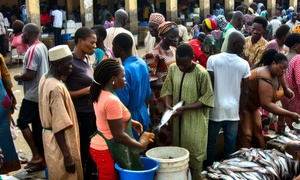
Recent observations from Ile Epo Market in Lagos paint a troubling picture of Nigeria’s food economy.
According to Abiodun Kosoko, Baba Loja General of Agbado Oke-Odo LCDA, the problem is not the absence of customers.
Markets are still crowded.
But the buying power has disappeared.
“People come to buy foodstuffs but leave with less than planned,” he said.
There are turnouts but no turnover.
The explanation lies in a chain reaction that begins far from Lagos markets.
Food items that feed the city largely travel from the northern and neighbouring states. With rising fuel prices, the cost of transporting these goods continues to climb.
Add to that the numerous levies along transport routes, and by the time these goods arrive in Lagos, their prices have swollen beyond the reach of many households.
A bag of rice that once sold for ₦50,000 now ranges between ₦56,000 and ₦58,000.
For traders, it means slower sales.
For families, it means smaller meals.
---
The Chicken That Became a Luxury
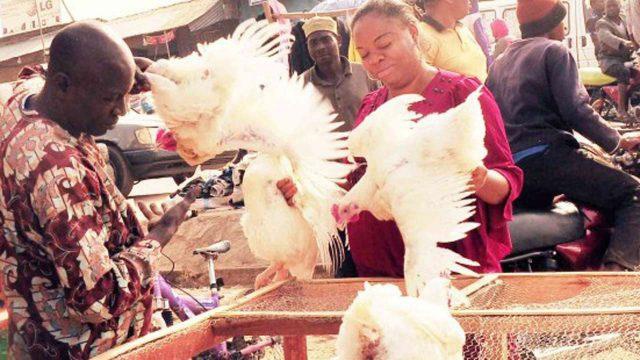
For meat sellers like Hammed Adekunle, the situation has become a daily struggle.
Customers stare at prices in disbelief.
Some accuse traders of profiteering.
Others attempt to negotiate drastic reductions.
“A customer can price ₦5,000 worth of meat down to ₦1,000,” he explained.
But traders themselves are not immune to the crisis.
Livestock costs have increased.
Animal feed has risen.
Transportation has become expensive.
The result is simple economics: prices must rise or the business collapses.
And in Nigerian homes, the chicken — once a modest symbol of celebration — is gradually turning into a luxury item.
---
Families Now Celebrate With Calculators
Behind the statistics are real families making difficult choices.
A teacher, Sola Ogunbade, explains how food shopping now requires painful prioritisation.
“Foodstuffs are expensive. I must stick to my budget even if my list isn’t complete.”
Staples like rice, beans, and vegetables — once considered basic necessities — now demand careful planning.
For Mary Chukwu, a mother of three, the challenge is even more stark.
Her focus is no longer on balanced meals.
It is simply on ensuring her children do not go hungry.
Protein, fruits, and other nutritional components are gradually disappearing from daily meals.
---
The Easter Egg Question
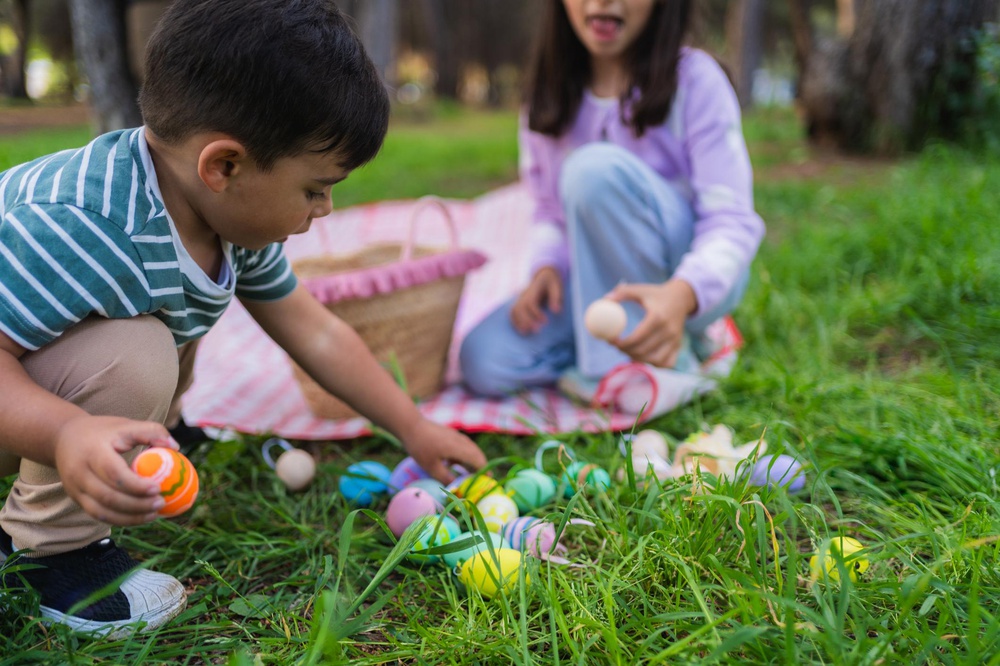
In many Western countries, Easter celebrations revolve around eggs rather than chickens.
Eggs symbolize new life, rebirth, and resurrection — fitting metaphors for the Easter story.
Children hunt for decorated eggs.
Families exchange chocolate eggs.
The symbolism focuses on life emerging from within.
Ironically, economic realities in Nigeria may now be pushing families toward a similar symbolism — not by cultural design, but by economic necessity.
A whole chicken may now be beyond reach.
But an egg?
Perhaps still manageable.
And so the question emerges quietly in Nigerian households:
If we cannot afford the chicken, can the egg still carry the celebration?
---
Easter in the Time of Inflation
For Funbi Idowu, this Easter feels different from any his family has experienced before.
“We can’t afford a whole chicken,” he admitted.
What was once a festive period marked by abundance has become a moment of scaled-down expectations.
The celebration will still happen.
But quietly.
Without the usual feast.
---
A Lesson Hidden in the Egg
Perhaps this moment holds a deeper reflection for the nation.
An egg is fragile, small, and humble.
Yet it carries the possibility of life.
In the same way, Nigeria today may feel economically fragile.
Families may be forced to celebrate modestly.
But Easter reminds us that resurrection stories often begin in the most unlikely places.
A borrowed tomb.
A sealed stone.
A quiet morning.
Sometimes renewal begins with less — not more.
---
TwoCents Final Thought
Maybe this Easter, the story is not about what is missing from the table.
Maybe it is about what remains in the heart.
If the chicken disappears from the celebration,
and only an egg remains —
Perhaps that egg still carries the message of Easter:
Hope is never finished.
It only needs the chance to hatch.
---
A TwoCents Insights
By Emmanuel Daniji


 299