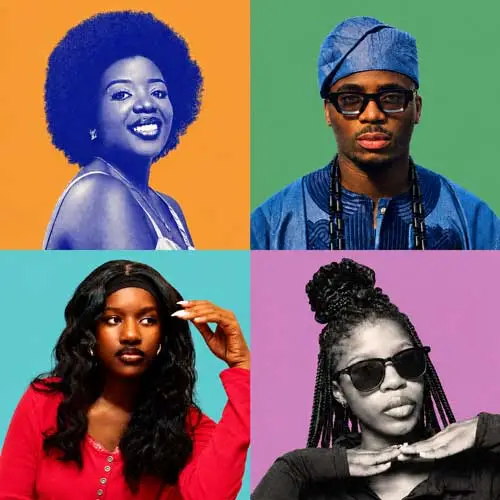




South-South Cooperation: A Diplomatic Pathway to Shared Development
In the evolving landscape of international relations, South-South Cooperation (SSC) has emerged as a strategic and transformative model for global development. Rooted in mutual respect, equality, and solidarity, SSC represents a framework through which developing countries—primarily in Africa, Asia, Latin America, and the Caribbean—support one another in achieving sustainable economic growth, technological advancement, and political stability.
Historical Background: How It All Began
The concept of South-South Cooperation began to gain global recognition during the mid-20th century, particularly in the context of post-colonial solidarity. One of the earliest milestones was the 1955 Bandung Conference in Indonesia, where leaders from 29 Asian and African countries gathered to promote Afro-Asian economic and cultural cooperation and oppose colonialism.
This spirit was further institutionalized through the establishment of the Non-Aligned Movement (NAM) in 1961, and later through the creation of the Group of 77 (G77) at the United Nations in 1964, which aimed to enhance the negotiating power of developing countries on global economic matters.
By the 1978 Buenos Aires Plan of Action (BAPA), adopted at a UN conference, SSC was formally acknowledged as a valuable framework for development, emphasizing the exchange of technical expertise, knowledge, and resources among countries of the Global South.
Unlike traditional North-South Cooperation—where developed countries provide aid to developing nations—South-South Cooperation is defined by horizontal relationships, not hierarchical ones. It is a form of collaboration based on shared experiences, mutual benefit, and cultural understanding.
Key principles of SSC include:
Respect for national sovereignty
Non-conditionality (assistance without political strings attached)
Equality among partners
Emphasis on capacity-building and self-reliance
Key Areas of Cooperation
Over the decades, SSC has expanded across multiple sectors:
1. Technical Cooperation: Countries such as India and Brazil have offered extensive training programs in IT, agriculture, and public health.
2. Trade and Investment: Intra-South trade has increased significantly—rising from $600 billion in 1995 to over $5 trillion by 2022, according to UNCTAD.
3. Infrastructure Development: China's Belt and Road Initiative (BRI), launched in 2013, has included significant investments in African, Asian, and Latin American infrastructure—roads, ports, energy projects.
4. Disaster and Humanitarian Response: For example, after the 2010 earthquake in Haiti, several Latin American and African countries offered assistance, showing the growing capacity of SSC in crisis response.
5. Climate Action: SSC is also playing a vital role in climate change adaptation, especially through regional partnerships like the Africa Adaptation Initiative launched in 2015.
Why It Matters More Than Ever
South-South Cooperation has become even more relevant in the 21st century due to:
Shared Development Challenges: Issues like food insecurity, youth unemployment, and technological gaps affect many Southern nations similarly.
Stronger Collective Voice: Through platforms like BRICS (Brazil, Russia, India, China, South Africa) and the African Union, Southern countries are increasingly influencing global policy decisions.
South-South Cooperation offers countries the opportunity to explore development paths that are tailored to their unique cultural, economic, and historical contexts—complementing traditional models rather than replacing them.
Notable Examples of South-South Cooperation
India’s ITEC Program (since 1964): Has trained thousands of professionals from across Africa and Asia in fields like IT, rural development, and public administration.
Nigeria-South Africa Bilateral Commission (established 1999): Facilitates economic, political, and security cooperation between two of Africa’s largest economies.
Brazil’s Agricultural Cooperation in Africa: Brazil has supported food security initiatives in countries like Mozambique and Ghana through the Brazilian Cooperation Agency since the early 2000s.
---
Ongoing Challenges
Despite its growth, SSC faces key obstacles:
Power asymmetries among partner countries (e.g., China vs. smaller African states)
Inconsistent funding and follow-through on agreements
Political instability in certain regions
Yet, these challenges are not unique to SSC—they are common in all forms of international cooperation. The difference is that SSC continues to evolve through dialogue, learning, and mutual trust.
Conclusion: The Future of South-South Diplomacy
South-South Cooperation is not merely a policy trend—it is a powerful diplomatic tool for reshaping global development in a way that is fairer, more inclusive, and deeply rooted in partnership. From its beginnings at Bandung in 1955 to its growing presence in UN agendas today, SSC is redefining how nations of the Global South see themselves—not as passive recipients of aid, but as active architects of their own futures.




 473