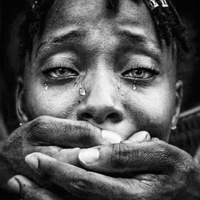
There are things you don’t notice immediately.
Not because they are hidden,
but because they repeat themselves so often,
they begin to feel normal.
A pause here.
A delay there.
A question asked in one place, but not in another.
Nothing loud enough to be called a problem.
Nothing obvious enough to demand attention.
Just patterns.
In Abuja, the difference between access and absence is not distance.
It is power.
And nowhere does classism in Nigeria reveal itself more clearly than here.
What is seen, what is ignored, what is answered, what is dismissed—these are rarely left to chance. Access follows a pattern. One that does not announce itself, but reveals itself in repetition.
Some are prevented from seeing.
Others are prevented from speaking.
And many learn, over time, to do neither.
And yet, inequality here does not hide.
It stands in the open.
In the space between two people standing on the same ground, but living in different realities. In the ease that carries one forward, and the resistance that quietly holds another back.
Same city.
Same system.
Different outcomes.
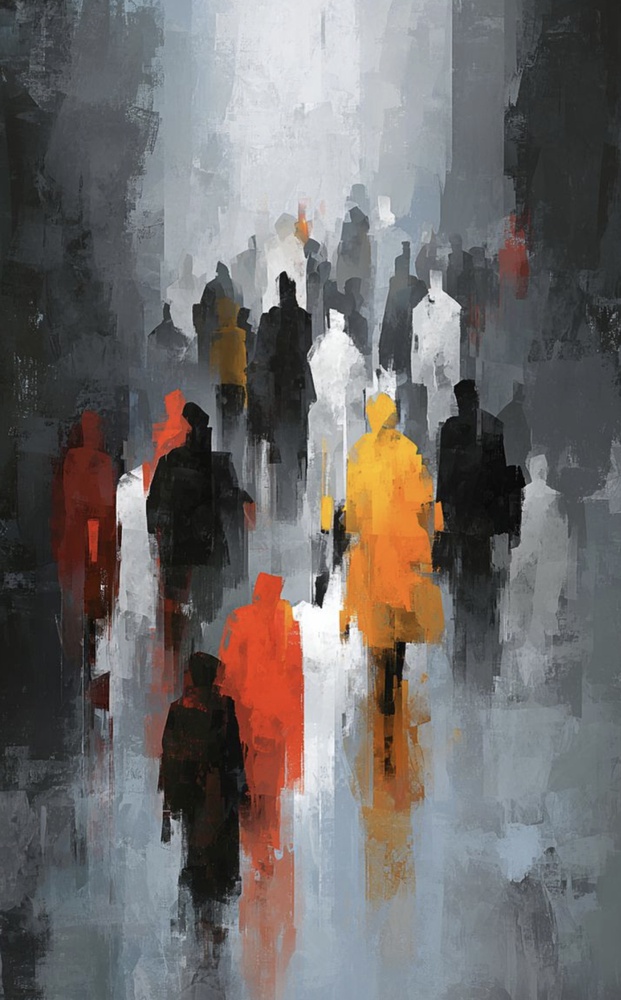
From a distance, it looks like movement.
A crowd.
A system in motion.
People going somewhere.
But not all movement is the same.
Some pass through unnoticed
blended into the background, expected, unchallenged.
Others stand out.
Not always by choice.
Sometimes by restriction.
Sometimes by attention.
Sometimes by the weight of being seen differently.
In the same flow, under the same conditions, outcomes begin to separate.
Not loudly.
But consistently.
Over time, delay stops being an inconvenience.
It becomes an expectation.
A quiet understanding that presence does not guarantee recognition. That being seen is different from being acknowledged. That speaking is not the same as being heard.
So people adjust.
They measure their words.
They reduce their demands.
They learn when silence is safer.
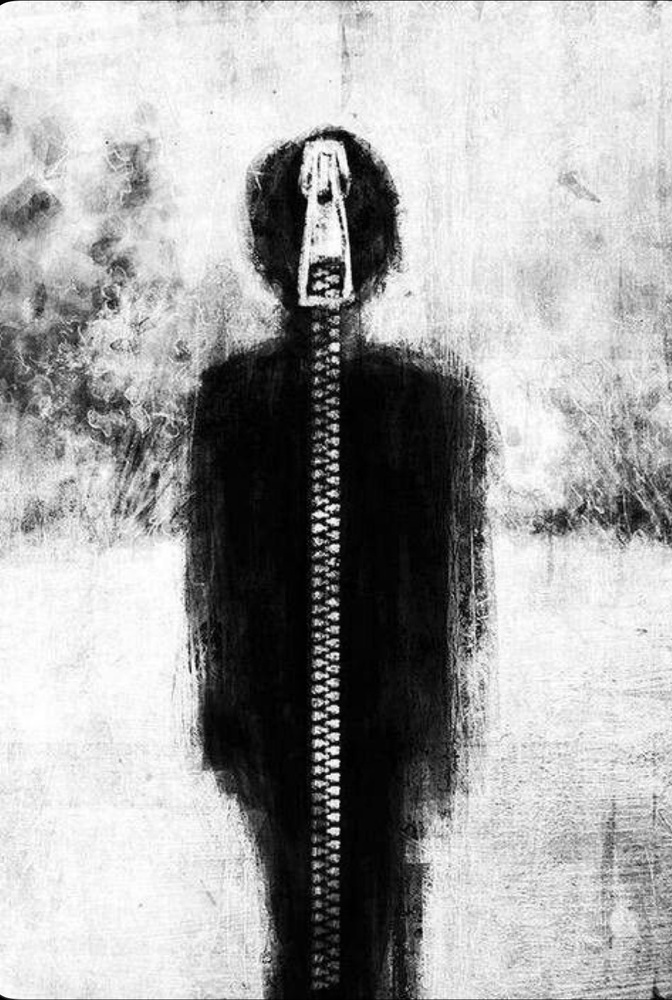
Not because they lack a voice
but because they understand what it means to use it
and still be ignored.
So eventually, something shifts.
Silence is no longer a reaction.
It becomes a habit.
Expression begins to feel unnecessary.
Expectation begins to feel unrealistic.
And over time, what was once restraint
starts to look like acceptance.
Movement is not always the result of effort.
Often, it is the result of permission—granted selectively, withheld without explanation.
The person with the right connection moves.
The person without it waits.
Not briefly.
But indefinitely.
And the system is not questioned.
It is repeated.
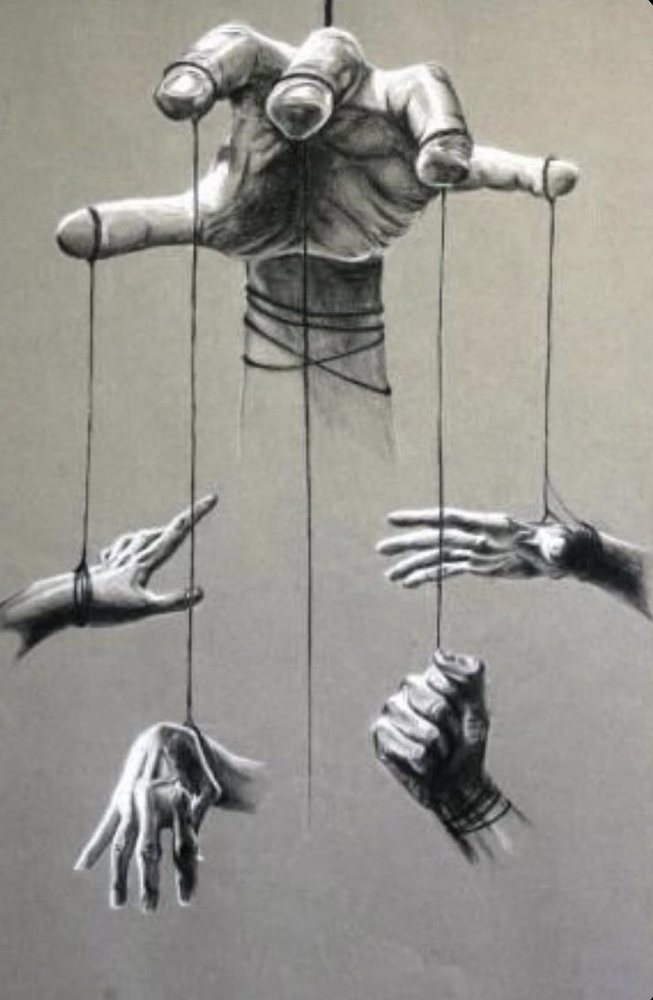
Because repetition is not accidental.
It is maintained.
Guided, subtly.
Enforced, quietly.
Decisions are made beyond the visible.
Outcomes shaped long before they appear natural.
What looks like coincidence
is often coordination.
What feels like chance
is often structure.

This is what makes the divide in Abuja so striking.
Not simply that it exists,
but that it sustains itself
with precision.
Not only through wealth,
but through control.
Of access.
Of voice.
Of movement.
Because in the end, the divide is not always announced.
It is experienced.
In progress that comes easily to some,
and never quite arrives for others.
And over time, it does not remain the same.
It stretches.
Quietly and consistently.
Widening the distance between those who move freely
and those who are left waiting.




 298