


The prompt started with "Imagine this...", but I beg to differ, there are many non-fictional stories for us to stress on imagining a situation like this. It is already growing to become a norms; which is bad.
Statistics proved this, according to the World Health Organization (WHO), nearly 1 in 3 women globally has experienced physical and/or sexual violence in their lifetime. Also, according to the European Union Agency for Asylum citing NHRC, 45,986 sexual violence cases and 6,943 rape cases were recorded in Nigeria in 2024.These are documented cases, not estimated prevalence..
And sometimes I think maybe because we don't discuss how traumatizing this can be was what keeps the number growing each day. When a lady is being assaulted sexually, a lot of things comes with it, first is the physical pain, cause the victim will instinctively resist which will surely cause the perpetrator to exact physical strength, then the emotional pain that comes from feeling undignified also with the comments received from family or the media. There is a lot more embedded in sexual assault.
So, let me share a story.
I've wondered what it feels like to be the girl on that bike, so I'm putting myself in her shoe.
I did not know there was a festival that afternoon. I did not know that somewhere in the community, a tradition was being celebrated, or that some people had decided that women passing through the streets were fair game. I was simply trying to get home.
I was seventeen. I had schoolwork waiting for me, a mother who would probably ask how my day went, and the usual worries of a student. Nothing about that afternoon suggested that I would become the subject of a conversation I never consented to have.
Then they stopped the motorcycle.
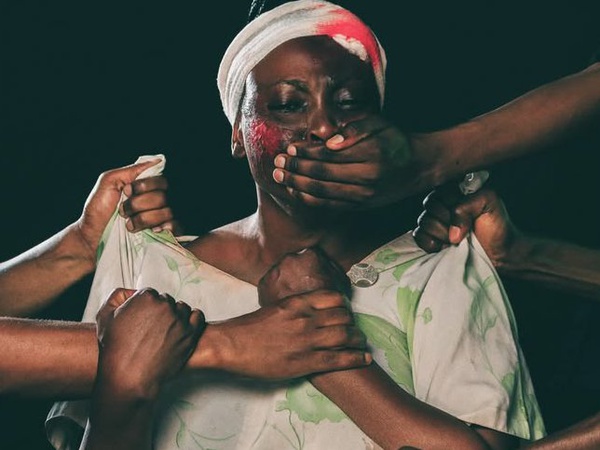
I remember the confusion before the fear. I remember being pulled, struggling to free myself, screaming. I remember not understanding why people were doing this to me. And most painfully, I remember the people around us.
They watched. Some recorded. Some laughed. I looked around, hoping that someone would intervene, that somebody would recognise that what was happening was wrong, that perhaps the presence of so many people would mean I was not entirely helpless.
But a crowd is not always protection. Sometimes, it is simply a collection of people who have decided that someone else's suffering is not their business.
By the time I got away, I was no longer thinking about my homework. I was thinking about the faces I had seen, the phones I had noticed, and the possibility that my humiliation had already begun travelling farther than I could reach. I wondered whether the people who recorded me would ever think about what it meant to turn someone's violation into content. I wondered whether the people who laughed would laugh if it happened to their sisters. I wondered how many people would eventually see the video and, instead of asking why I was assaulted, ask why I was outside.
That question, I knew, would not be new.
In my community, tradition has always been a powerful word. It can unite people, preserve history and give meaning to celebrations. But tradition can also be used to shield practices from criticism, as though age alone makes something right. If a practice harms people, should its history make it untouchable? If culture is inherited, must it also be inherited without question? I do not believe so. Traditions belong to people, and people have the right to reconsider what they practise. No cultural celebration should require a woman to surrender or question her dignity or safety.
But who should answer for what happened to me?
The men who assaulted me should answer first. They made the decision to violate my body, and neither a festival nor the behaviour of a crowd excuses that decision. Their actions should be investigated,well it was. 18 were arrested, and they faced the consequences established by law even more. Blaming tradition without holding perpetrators accountable would only give them another hiding place.
But I cannot pretend the question ends with them.
What of the people who stood there? I understand that not everyone can confront a group of violent men. Fear is real, and expecting every witness to risk their life may be unreasonable. But intervention does not always mean fighting. Someone could have called for help, alerted the authorities, sought assistance or helped me afterwards. There are ways to act without becoming another victim. The crowd may not have committed the assault, but those who deliberately encouraged it, facilitated it or obstructed help cannot simply claim innocence because they were not the ones touching me.
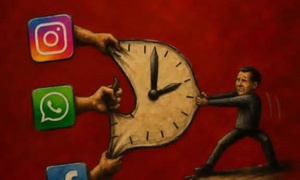
And the people with cameras? I want to believe that some recorded because they thought the footage might help identify the perpetrators. But documentation is not the same as distribution. Evidence can be handed to the authorities without exposing a survivor to thousands of strangers. Whoever shares such footage without considering the survivor's consent contributes to another form of harm. A crime should not become entertainment simply because it happened in public.
Then there is the cover-up, the part that frightens me because it can happen long after the perpetrators have left.
What if my family were advised not to report the incident because it would bring shame? What if community elders insisted that the matter should be settled privately? What if a religious leader told me to forgive and move on before anyone had even acknowledged the wrong done to me? What if the police dismissed my case as a festival disturbance or a matter best handled by the community?
Who should answer then?
Those who deliberately suppress evidence, intimidate survivors, obstruct investigations or protect perpetrators from accountability must answer for their own actions. Family honour cannot be built upon a girl's silence. Religious counsel should not become a tool for suppressing justice. Community leaders should not be more concerned about protecting the reputation of a festival than protecting the people who live within their communities. And law enforcement should not treat violence against women as a private disagreement to be negotiated over a family meeting.
Yet, justice is not simply about making everyone speak.
I may not want my story published. I may not want my face on a poster, my name in a newspaper or my experience used to educate strangers. I may need time, support and the freedom to decide what recovery means to me. Speaking up against violence should never mean forcing survivors to publicly relive it. We can demand accountability without demanding that survivors become the faces of every campaign.
To me, justice would mean that the perpetrators are held accountable, that witnesses and institutions do not deliberately obstruct justice, that survivors receive protection and support, and that harmful practices are challenged rather than defended. It would mean educating boys and men about consent, encouraging communities to intervene safely, and creating systems where reporting violence does not become another punishment for the victim.
So, who should answer?
The perpetrators, unequivocally. Those who knowingly enable, conceal or obstruct accountability, as well. Institutions that fail in their responsibilities must be held to account. And the rest of us must confront the culture of indifference that makes such violence easier to commit and harder to punish.
Not everyone who witnessed my assault is a criminal. Not every tradition is harmful. Not every silence is complicity. But neither should fear, culture, reputation or indifference become convenient excuses for allowing violence to thrive.
I was simply trying to get home that afternoon. I should not have had to become a lesson in the difference between tradition and abuse, between witnessing and intervening, between protecting a reputation and protecting a human being.
I deserved safety before my story became an argument.
And the responsibility to make that safety possible belongs to more than the girl who was assaulted.
May we get better!


 11